About.
I'm Tom Schönmann. thinkinglabs is my public working surface: a markdown repository turned into a website, feed system, index, and agent-readable map of my work.
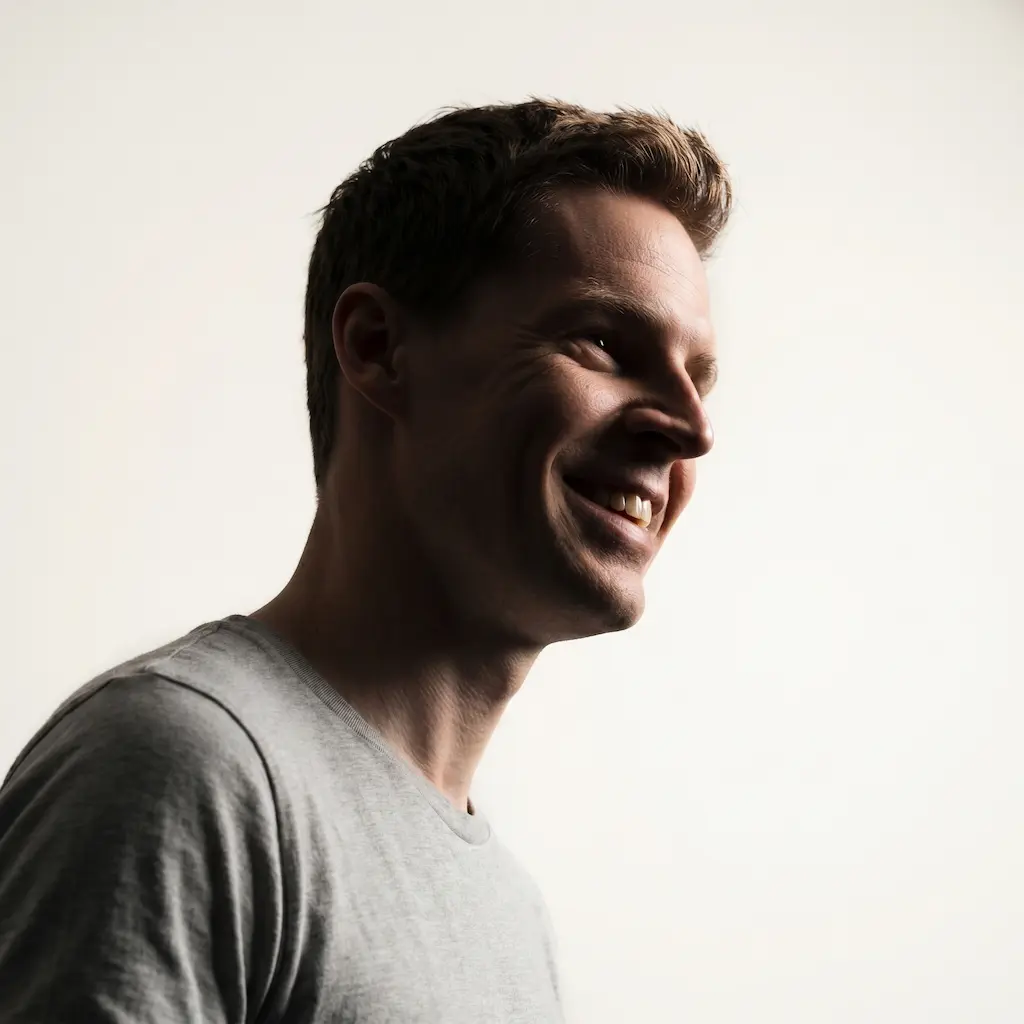
A desk left in public.
It is not a portfolio and not quite a blog. It holds rough thoughts, stricter claims, predictions, project notes, decisions, questions, and the outside inputs that changed the shape of the work.
I work mostly on AI systems and the operational layer around them. The parts I care about tend to be the parts that make systems legible: what changed, why a decision was made, what evidence supports a claim, and what would make me change my mind.
The repository is the durable object.
The web UI, JSON feeds, SQLite index, MCP surfaces, and Markdown URL variants are
derived views over the same source. Canonical public content pages, listings, and selected static pages have agent-readable Markdown siblings by appending
.md to the slashless URL, with /index.md standing in for the
homepage.
That keeps the machine surface rigid without making the writing brittle: edit the files, rebuild the surfaces, and let the public version stay close to the working version.
The public shape of the repository.
Each entry type has a job. Some are loose enough to catch a thought before it disappears; others are strict enough to make drift visible.
Incomplete is part of the contract.
A claim can be revised. A prediction can resolve badly. A project can go dormant. The useful thing is not that every object is polished, but that the system leaves enough structure behind to return later and inspect what happened.
I want the tone of the site to stay calm because the work benefits from calm. There should be enough empty space to read a sentence, enough metadata to audit it, and not much more than that.
AI systems, made legible.
I work for wild.as. Reach out at [email protected] or [email protected] for personal messages. My other main site is flaming.codes, which I used in the past for traditional blogging and knowledge sharing.
Wild works with new technologies in the pragmatic sense: putting new capabilities into production when they make software clearer, faster, or more useful. A large part of that work right now is agentic software engineering: using agents every day, building the harnesses around them, and learning where human judgment still has to stay close to the loop.
Built with Astro, markdown content collections, deterministic feeds, a derived SQLite index, and a small MCP server for agent access. The typography and navigation are meant to make the repository feel like a working surface rather than a publication schedule.